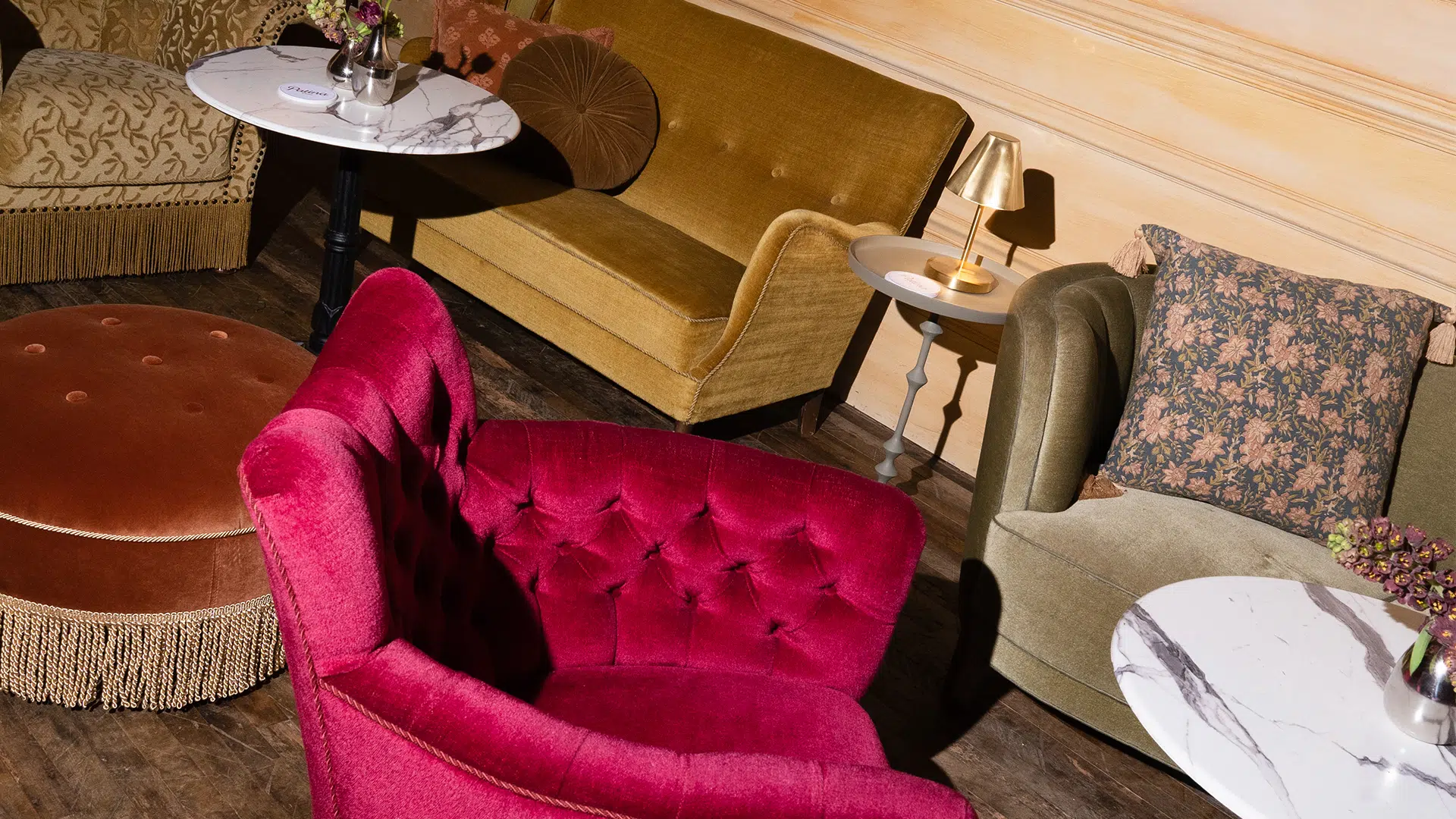
Layering is often mistaken for decoration. But in reality, it's a way of thinking.
It’s how depth is created. How atmosphere builds. How a space moves from assembled to felt.
In the new era of gathering, single gestures aren’t enough. One statement piece. One color moment. One focal point.
People are craving environments that feel considered from every angle: spaces that reveal themselves slowly, not all at once.
That’s where layering comes in.
LAYERING CREATES DEPTH, NOT NOISE
True layering isn't about adding more. It's about adding with deep intention.
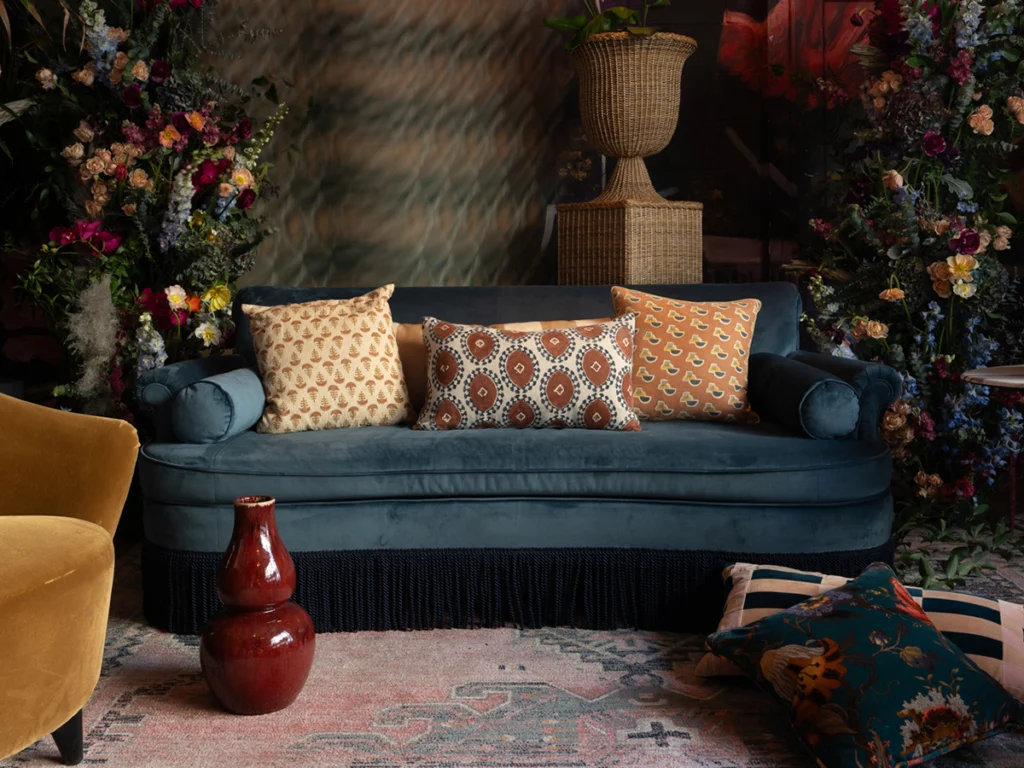
Mixing eras so nothing feels too perfect. Balancing pattern with calm. Letting texture soften structure. Allowing contrast to create rhythm.
When done well, layering doesn’t overwhelm. It settles.
It creates rooms that feel like they’ve been there forever, even when they haven’t.
WHY LAYERING MATTERS NOW
In a culture of speed and surface, layered environments slow people down. They reward attention. They invite pause. They make people want to stay.
Layering supports felt experience because it works on the body as much as the eye: softness against solidity, warmth against restraint, repetition against surprise.
This complexity gives people something to sink into.
FROM HERO PIECES TO WHOLE WORLDS
We’re seeing a move away from feature moments: the chair that photographs well, the corner designed for a single shot.
Instead, the focus has shifted to the whole room. How everything works together. How the space holds energy. How people move, settle, gather, disperse.
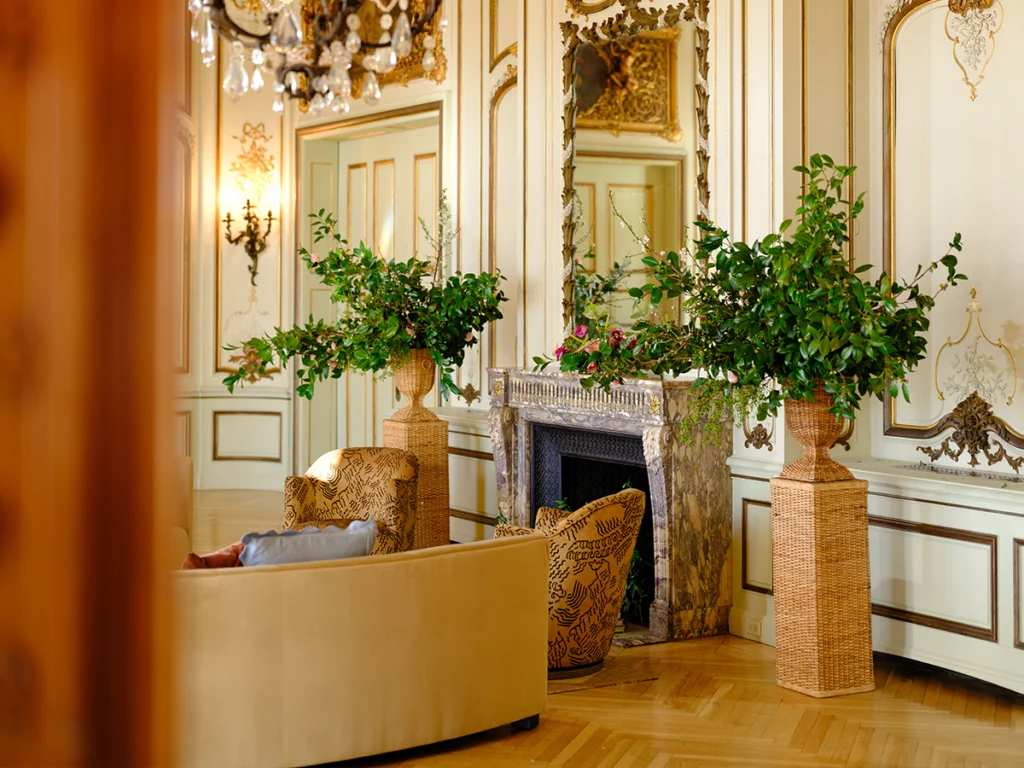
Layering is what turns furniture into environment. Objects into atmosphere. Space into experience.
LAYERING AS JUDGEMENT
Good layering requires taste. Knowing when to stop. What to hold back. What to let lead, and what to support.
It’s not about maximalism or minimalism. It’s about balance.
And in the new era of gathering, that judgement matters more than ever.
Layering is what allows spaces to feel human. Imperfect. Warm. Alive. It’s what makes a room feel less like a setup and more like a place people belong.
This is the art of the layer.
