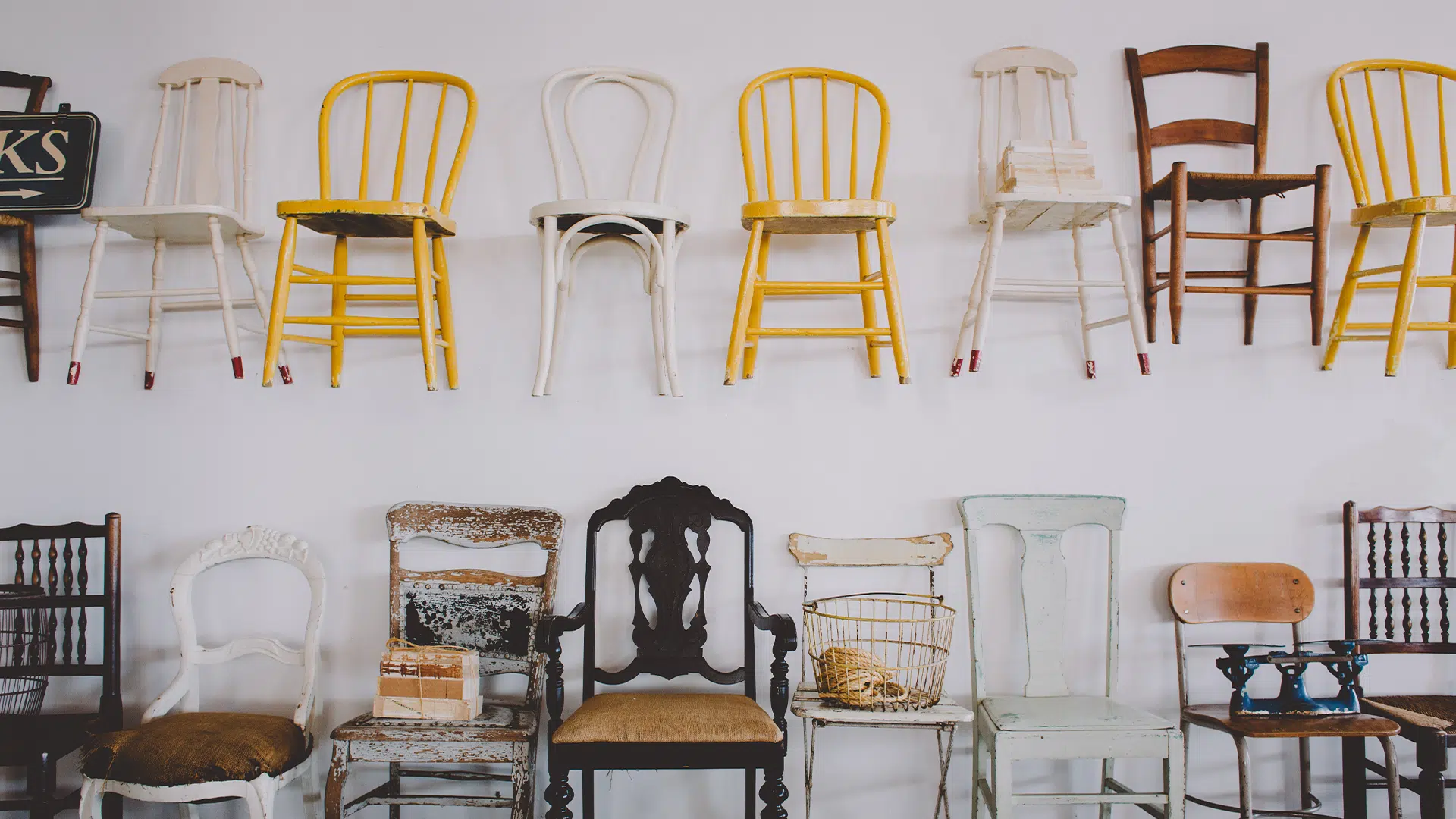
A seat is never just a seat.
It’s where a body lands. Where a person decides whether to stay. Where conversation begins, or doesn’t.
In the past, seating was treated as a logistical problem. How many people? How quickly? How efficiently?
But in the new era of gathering, seating has become something else entirely. An emotional decision.
Because how, and where, people sit shapes what’s possible in a room.
SEATING SHAPES BEHAVIOUR
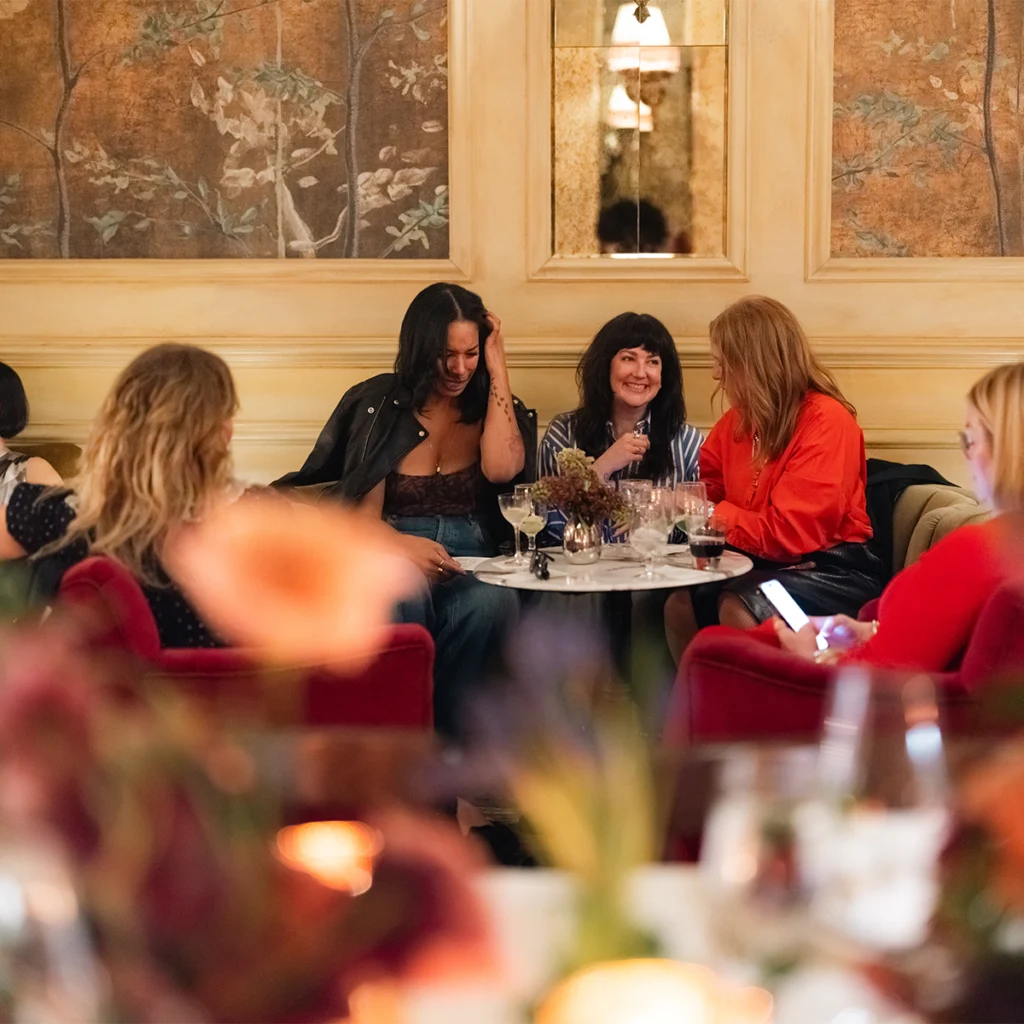
Rows tell us to face forward. Circles invite us to look at each other. Low seating softens posture. Distance creates formality. Proximity creates permission.
These choices quietly dictate how long people linger, whether conversation flows or stalls, who feels included, seen, at ease.
In a moment where people are craving connection, not just attendance, these details carry weight.
FROM CAPACITY TO CONNECTION
We're seeing our briefs shift.
No longer: “We need to seat x people.” But more often: “We want to create a space that encourages people to connect fully.”
That shift changes everything. It moves the focus from capacity to flow. From efficiency to comfort.
From furniture as utility to furniture as emotional infrastructure.
COMFORT IS NOT COSMETIC
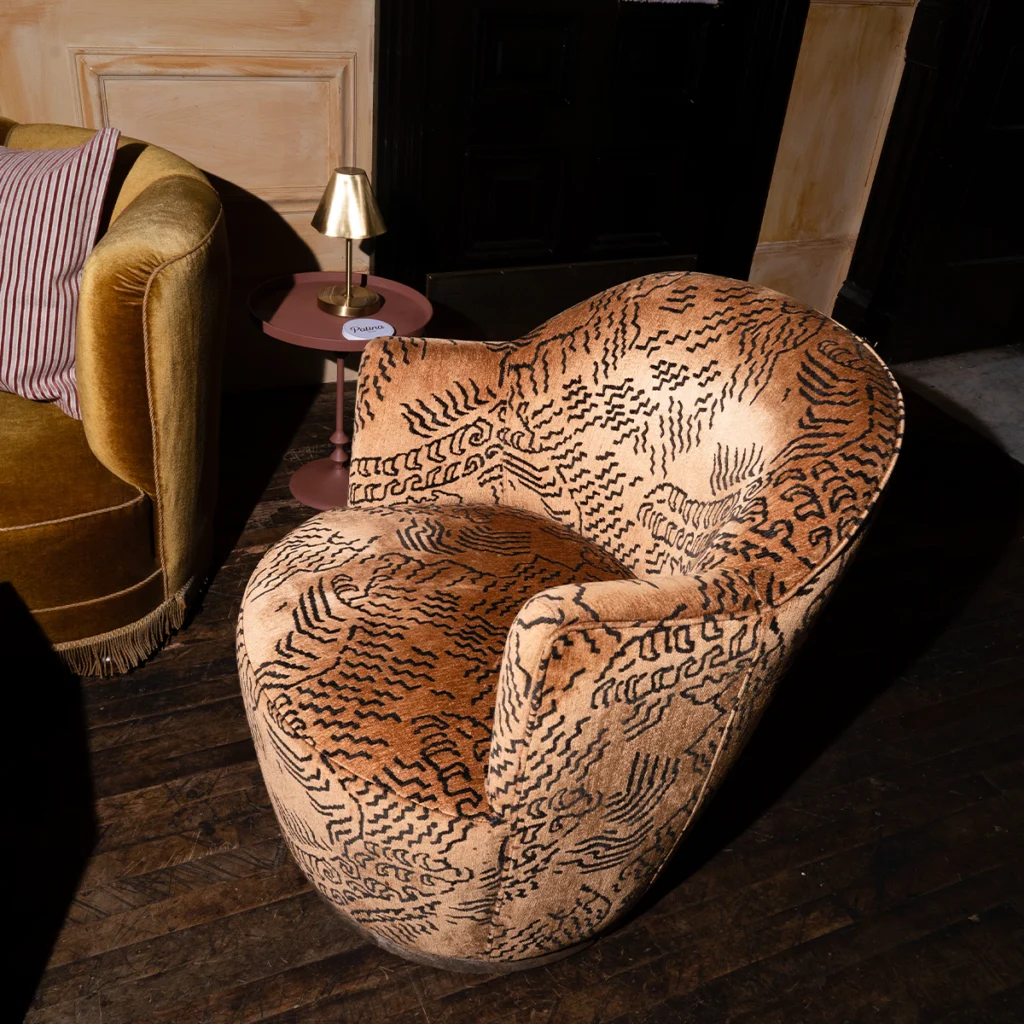
Comfort isn't about indulgence. It's about safety.
When people feel physically held, they’re more likely to relax, stay longer, open up and engage more honestly.
Softness, depth, texture, variation: these are not aesthetic flourishes. They’re cues. They tell people: you can settle here. You don’t need to perform. You can stay.
FLOW CREATES CONNECTION
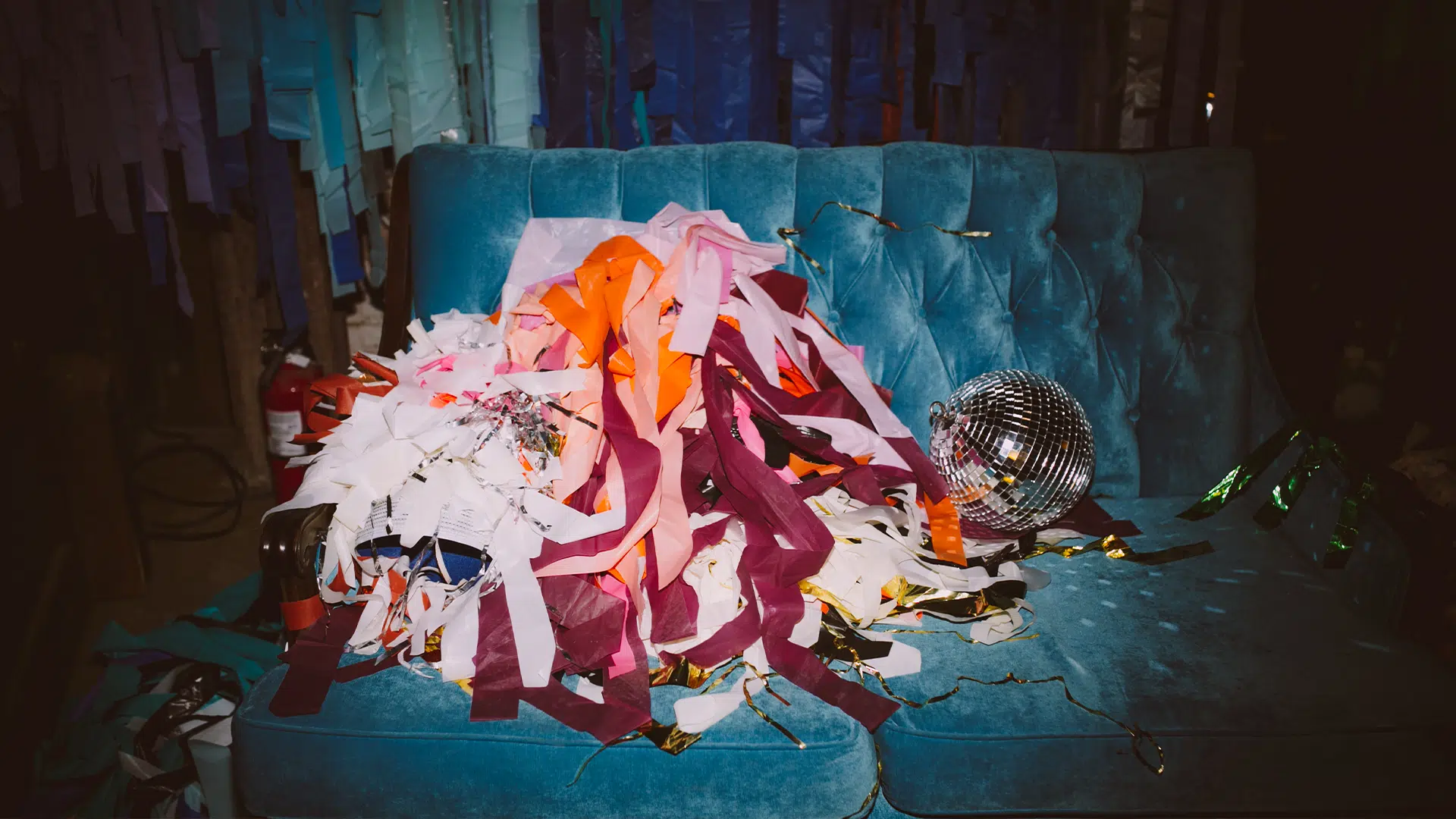
Good seating doesn’t lock people in place. It allows movement. People shift. They reconfigure. They drift between conversations. Flow creates energy without forcing it.
This is why the most memorable gatherings rarely rely on rigid layouts. They rely on spaces that feel intuitive, almost inevitable.
In this new era, the smallest decisions often matter most.
A seat can rush you. Or it can hold you. It can shut conversation down. Or quietly invite it forward.
What’s in a seat isn’t just furniture. It’s time. Attention. Connection.
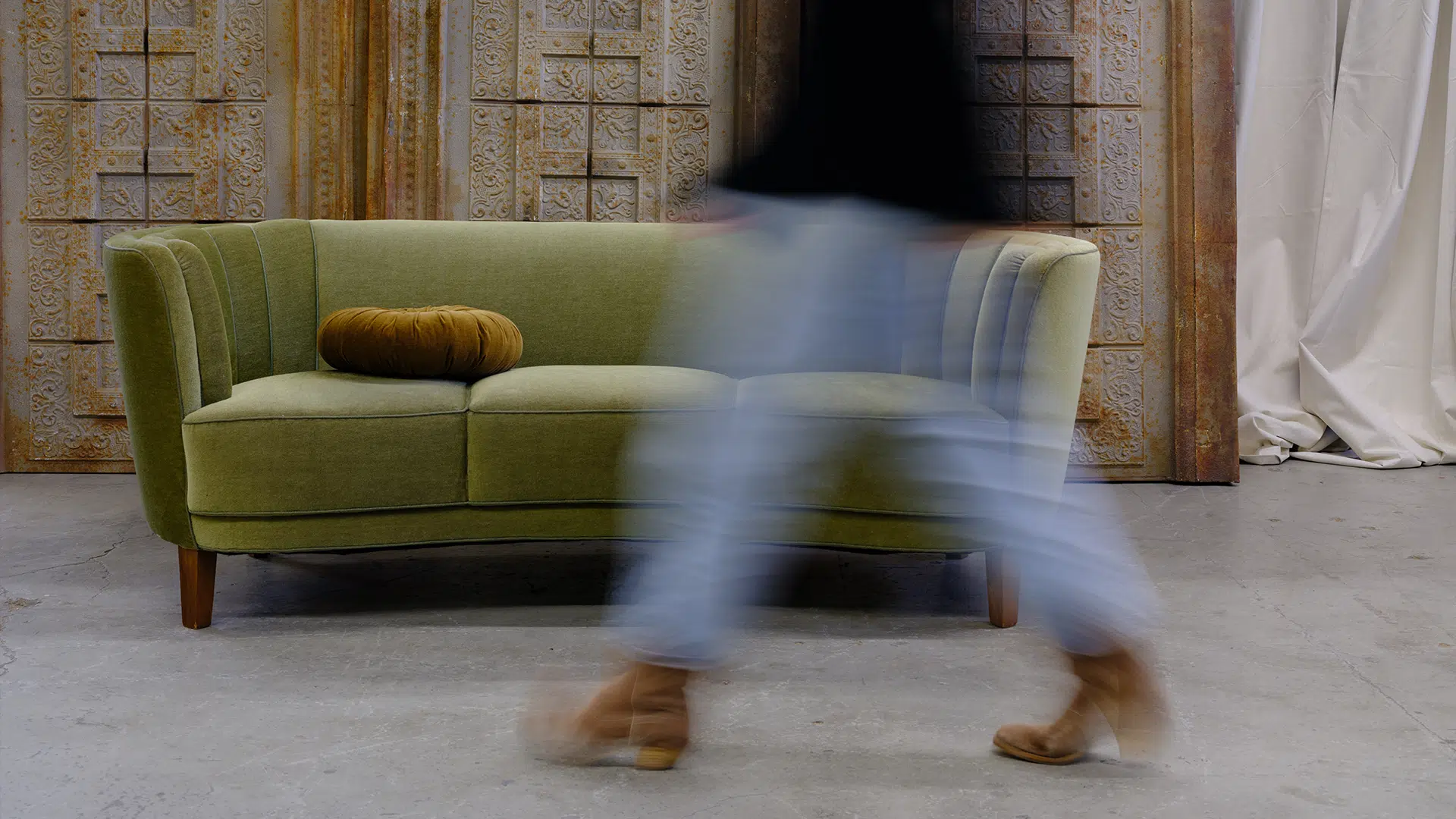
Photography credits: Chellise Michael Photography, David Toquica
