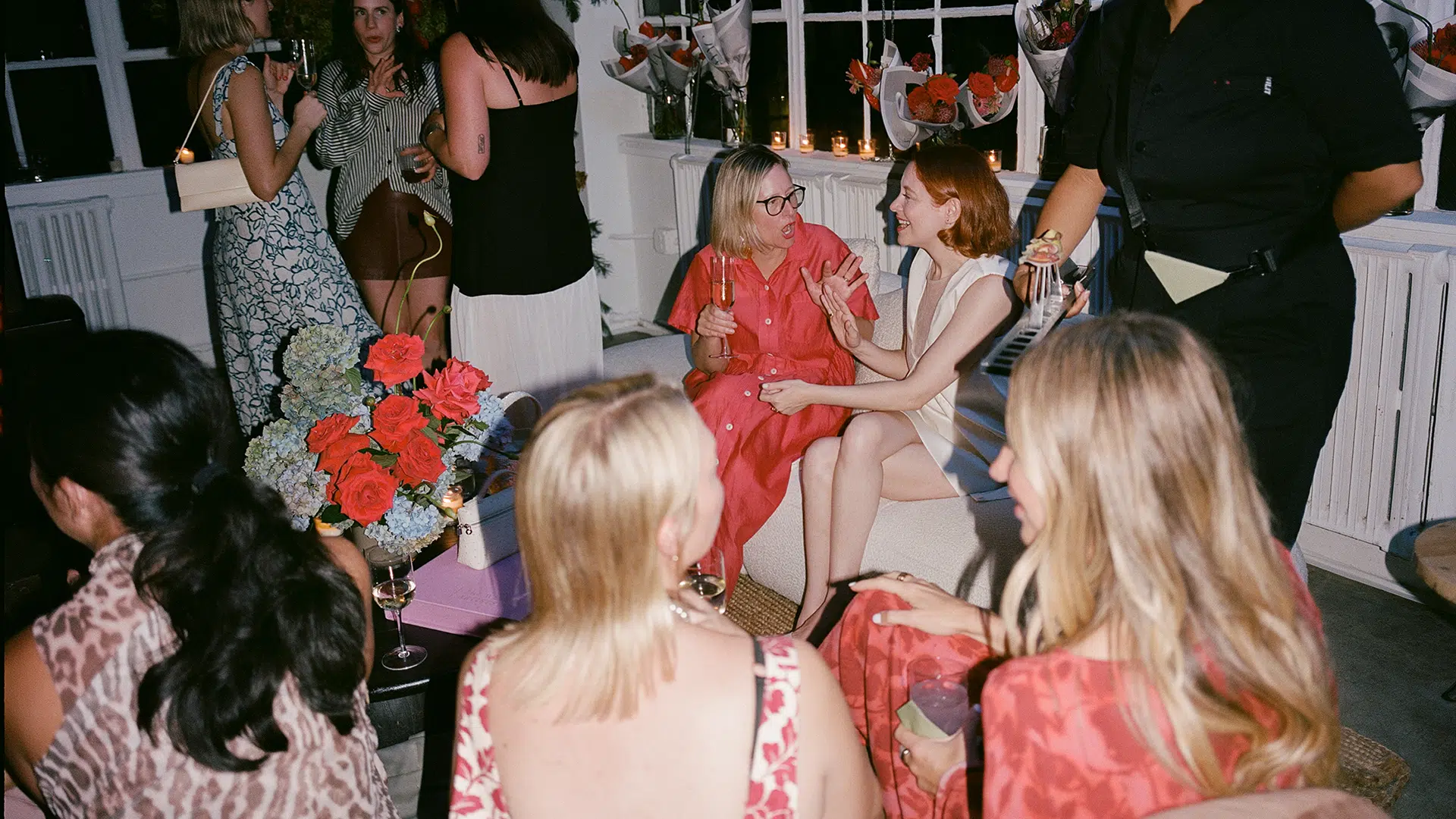
We're seeing a growing appetite for experiences that are meant to be felt. Not skimmed, not captured, not consumed at arm's length.
Experiences that ask more of us. Time. Attention. Presence.
From listening parties like Rosalía’s, where phones are covered and people are invited into quiet collective absorption, to large-scale fashion shows like Chanel’s recent Alice in Wonderland-inspired world at the Grand Palais, we’re seeing a shift toward environments that are immersive, atmospheric and emotionally loaded.
Not just impressive. Moving.
A reaction to surface-level Instagrammable moments: spaces designed to be photographed, tagged and left.
People are craving something more. Something that stays with them. Something they feel in their body.
WHY IT MATTERS NOW
We've saturated ourselves with online noise, visual excess and constant performance. The result isn't inspiration. It's fatigue.
Real-life experiences are being asked to do more than entertain. They’re being asked to restore. To slow people down. To hold attention. To create a sense of shared presence that can’t be replicated through a screen.
Felt experience is sensory, not just visual. Layered rather than singular. Immersive rather than interruptive. Complex, intentional and always interesting.
It’s not designed to be watched. It’s a world to be entered.
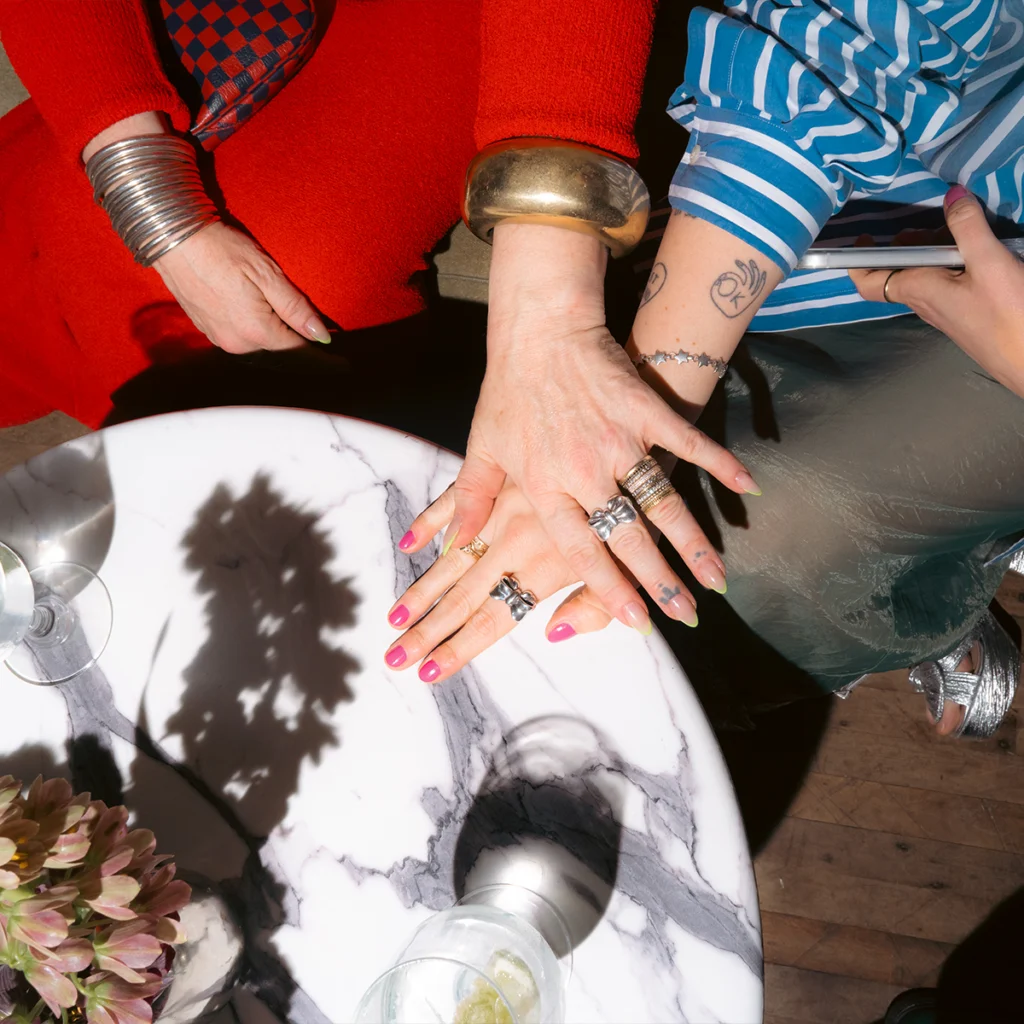
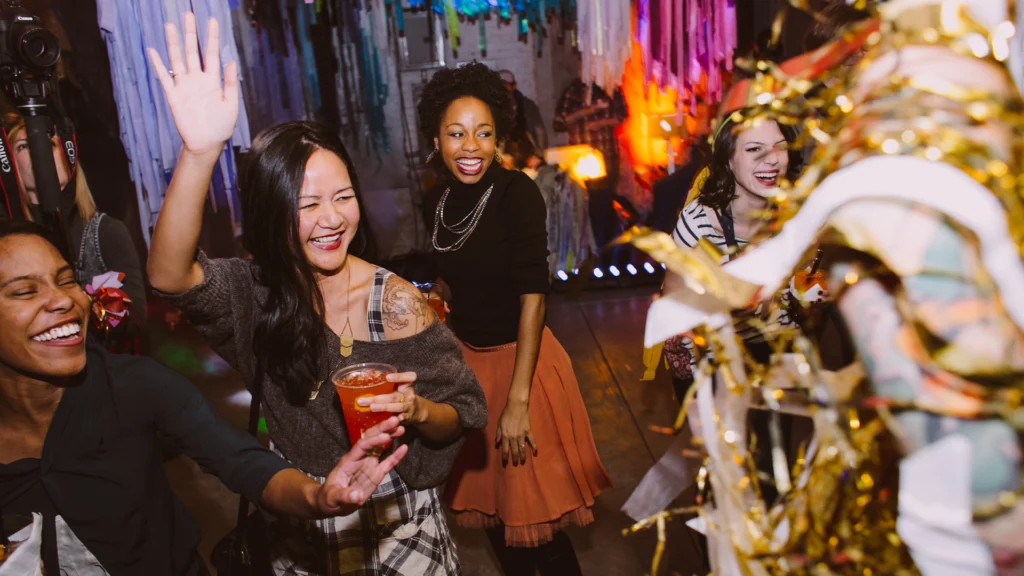
WHY GATHERING IS CHANGING
An experience deeply felt makes the whole gathering more valuable. Not because it's bigger, but because it's deeper.
Fewer people. More intention. Longer durations. Richer atmospheres.
The role of space shifts in this moment. Environment is no longer backdrop. It becomes a participant. Texture, softness, warmth, rhythm, light: all contribute to how open people feel, how long they stay and how fully they connect.
This is why storytelling, layering and intentional atmosphere matter more than ever.
This is the rise of felt experience. And it’s reshaping how, and why, we gather.
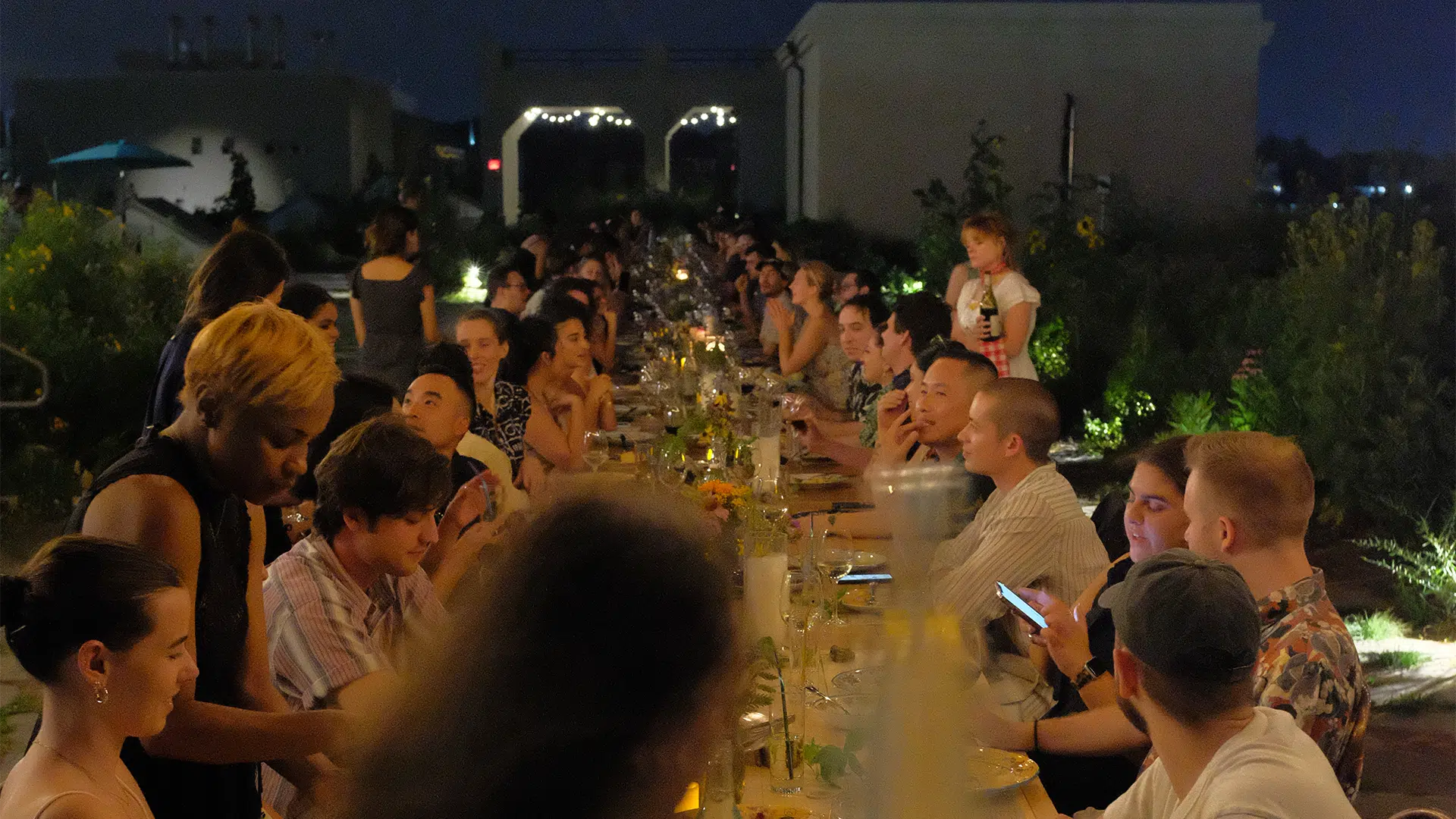
Photography credits: Kate Peña, David Toquica, Chellise Michael Photography, Eduardo Bustos
